Signs of a Slab Leak Emergency
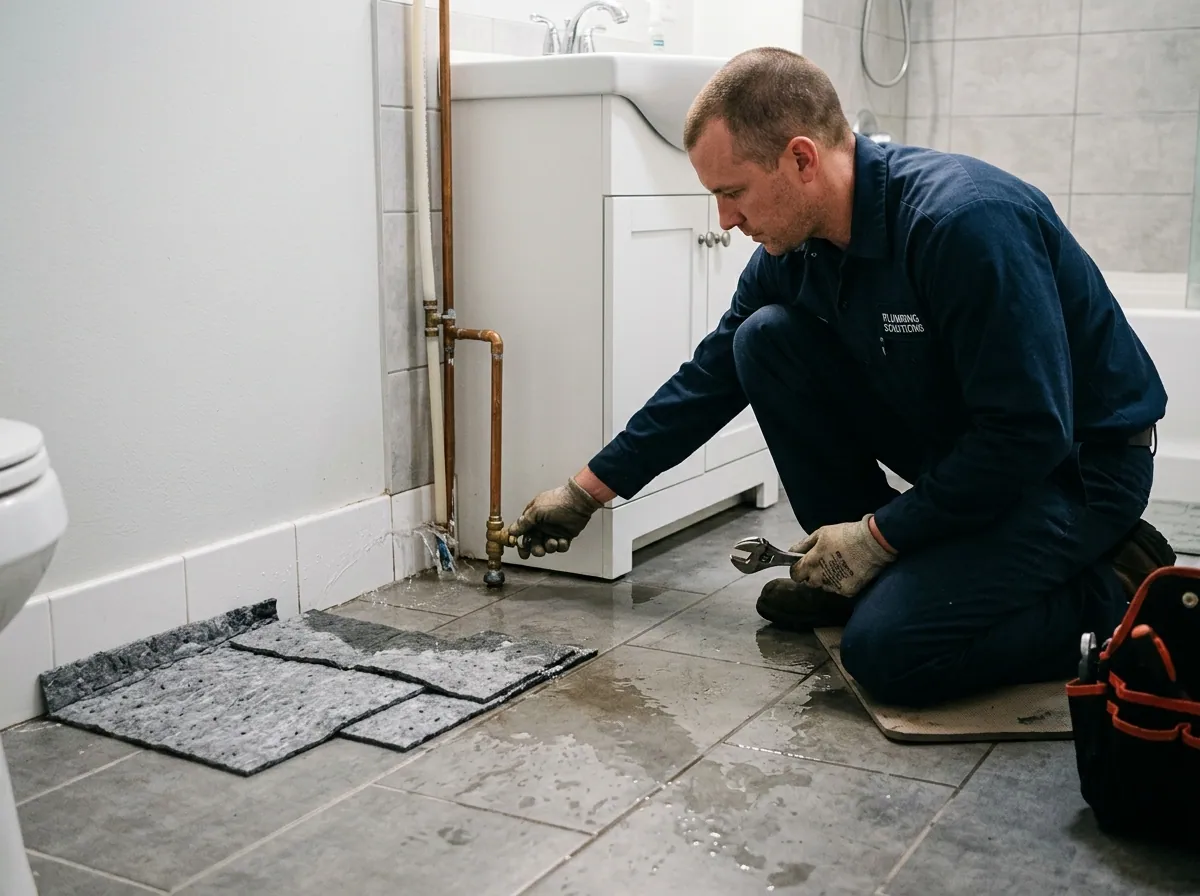
Water Spreading From Floor
Active water at flooring, baseboards, cabinets, or wall edges needs prompt attention. Keep people away from wet electrical areas and close the private house shut-off if it is safe to do so.
Rapid Meter Movement
If the meter continues moving quickly after faucets, irrigation, appliances, and toilets are off, water is still being used or lost. The meter confirms flow, not the leak's location.
Sudden Pressure Loss
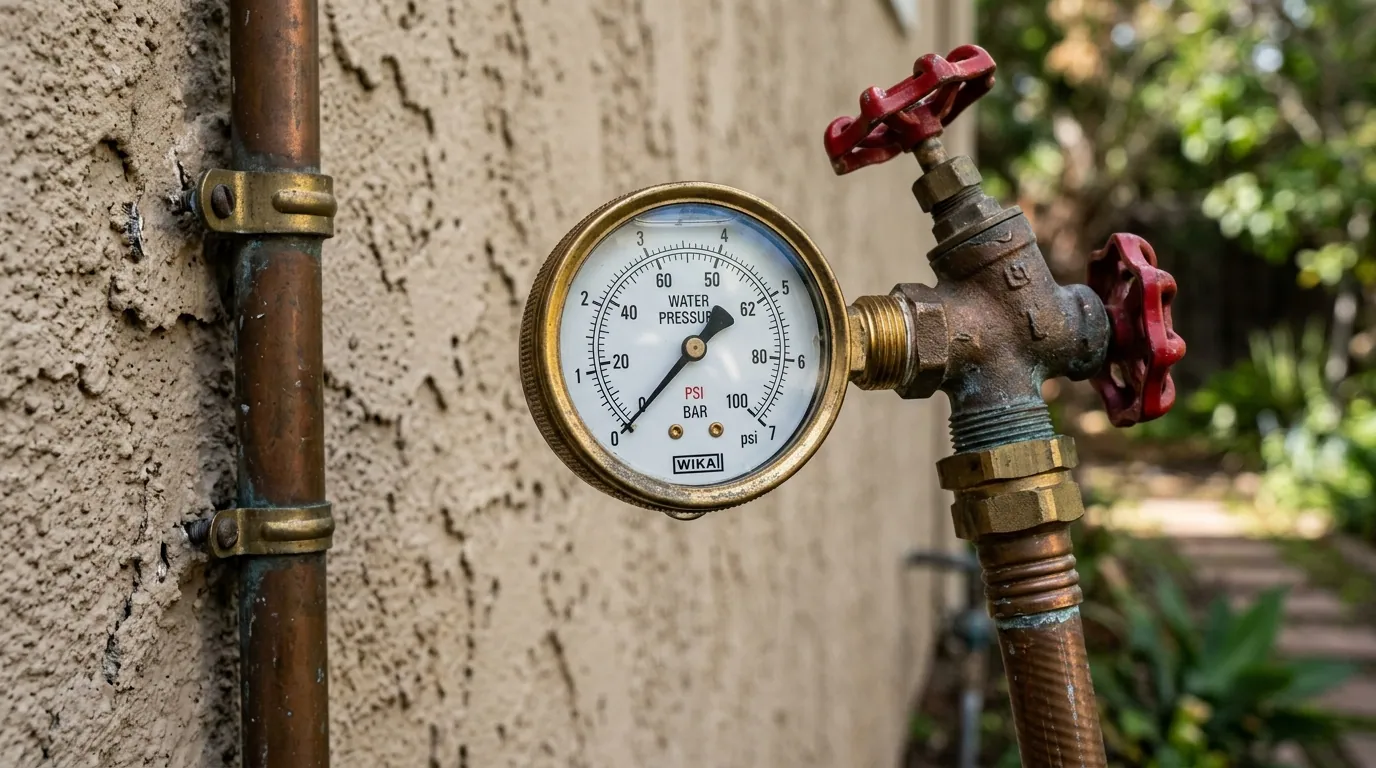
A large, sudden pressure change can have several causes, including a supply interruption, valve problem, or active leak. Check for utility notices, then request urgent diagnosis if the cause is unclear.
What to Do When Water Comes Through the Floor
If a suspected slab leak is causing active water damage, focus on personal safety and stopping the flow. Do not cut concrete or open electrical panels to investigate.
- 1.Shut off the main water valveUse the home's private main shut-off only if you can identify and reach it safely. Leave a utility-owned meter valve alone unless authorized.
- 2.Avoid electrical hazardsKeep away from water near outlets, appliances, or the electrical panel. Contact emergency services if there is an immediate electrical danger.
- 3.Request urgent slab leak detectionTell the provider when the issue began, whether the meter moves, and which areas are wet, warm, or losing pressure.

What an Urgent Plumbing Visit Should Cover
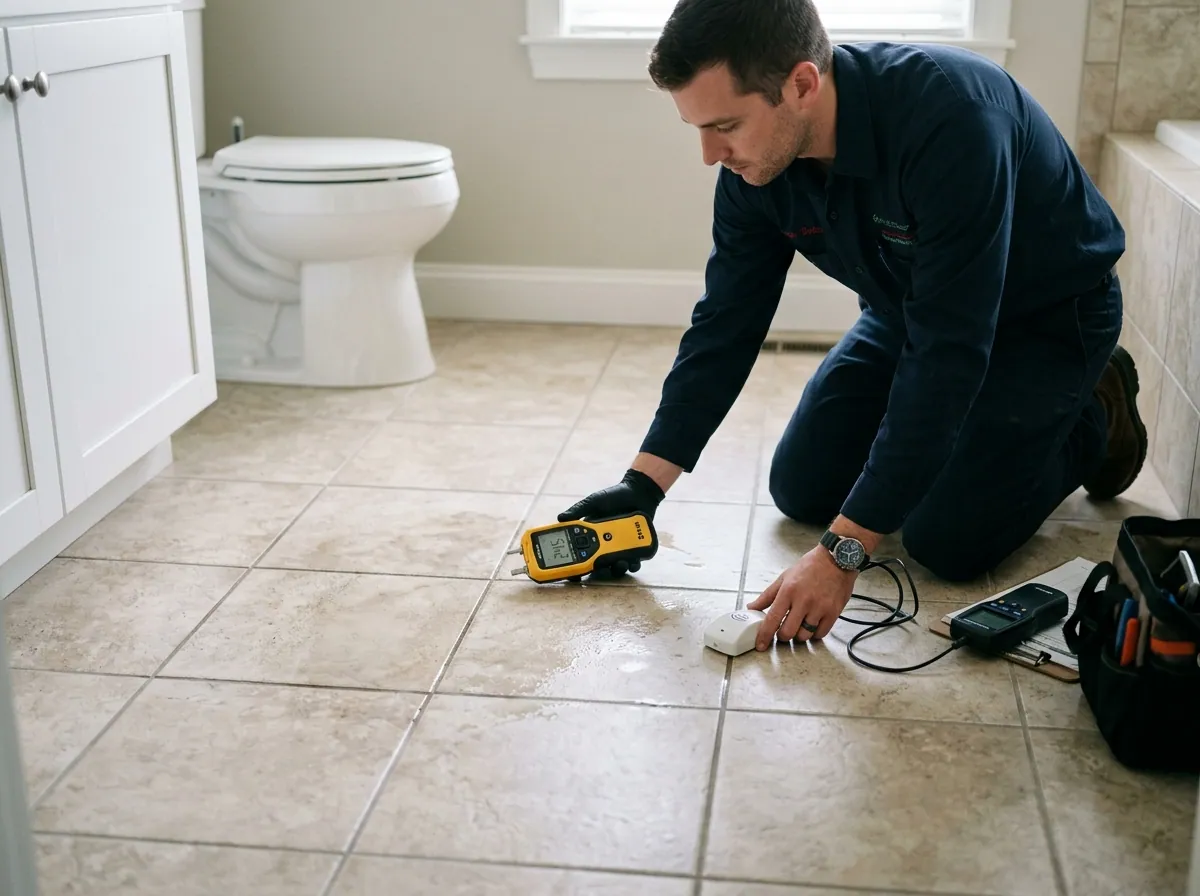
An urgent visit should begin with safety, water-loss control, and a clear description of what the provider can complete that day. Arrival times and after-hours coverage vary, so ask about availability and the callout fee before authorizing service.
The initial checks may include the meter, fixture shut-offs, pressure behavior, moisture readings, and electronic leak detection. No single reading proves that a pipe below the slab has failed. The provider should explain which observations support the diagnosis.
Once the affected branch is reasonably identified, compare a direct under-slab repair with a water-line reroute. The right choice depends on pipe condition, access, finishes, and whether the same route has failed before.
Can the Affected Branch Be Isolated?
Closing the main stops incoming water, but it also removes service throughout the home. In some plumbing layouts, a qualified plumber can isolate or temporarily bypass only the affected branch. In others, shared lines or inaccessible valves make that impractical.
Ask which fixtures will remain out of service, whether a temporary measure is code-compliant, and what must happen before the main can be reopened. Branch isolation limits ongoing loss; it does not replace accurate diagnosis or a planned repair.
Choosing the Repair After Stabilization
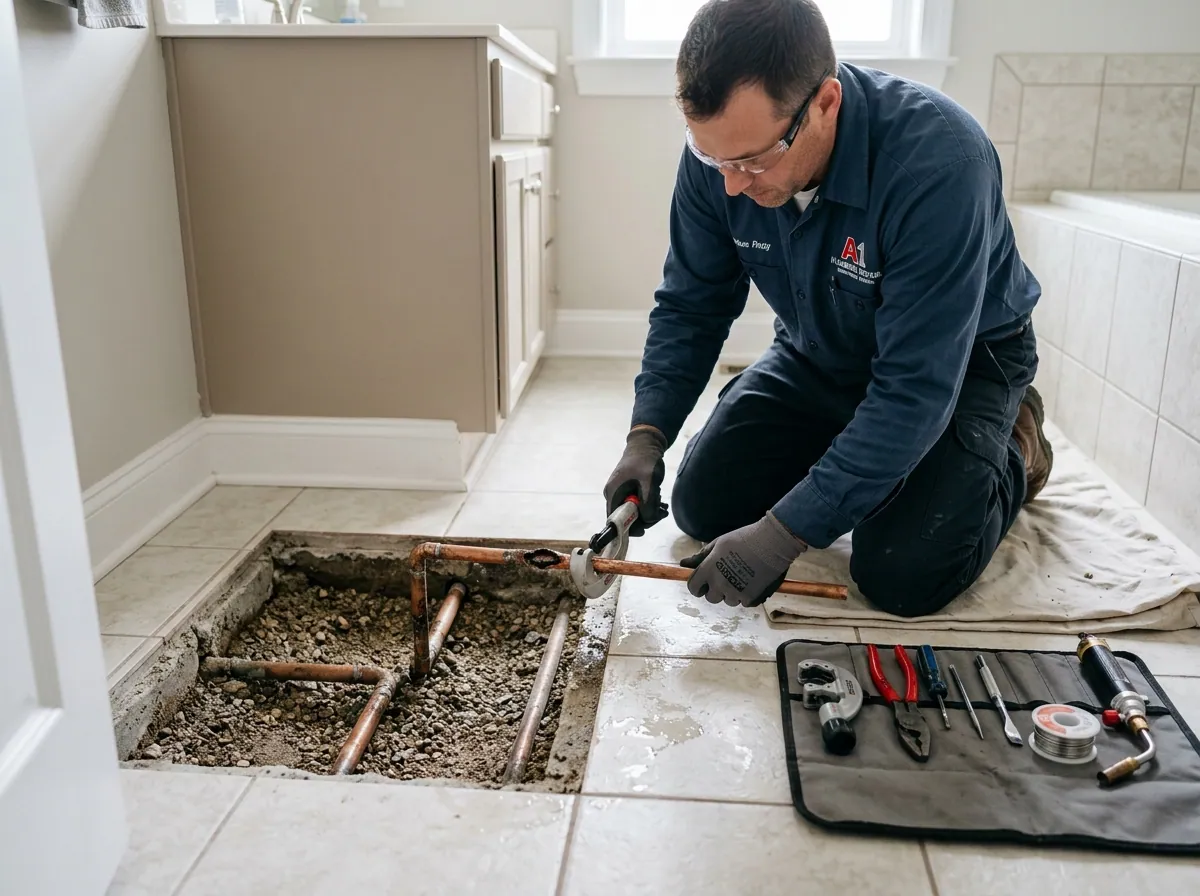
After active water loss is controlled, the next decision is whether to open the slab or bypass the failed section. A direct slab leak repair provides access to a confirmed failure point. A reroute avoids that floor opening but creates access work along a new wall, ceiling, or attic path.
A spot repair may make sense for one accessible failure when the surrounding pipe appears serviceable. Repeated leaks, difficult flooring, or a practical replacement route may support rerouting. Detection findings and pipe history should drive that comparison.
Access size, repair time, and finish restoration depend on the location and construction. Ask the estimate to separate water mitigation, detection, plumbing, concrete or drywall work, and flooring restoration so the full scope is visible.
Separate Emergency Work From the Full Repair
An emergency authorization may cover only the callout, diagnosis, and temporary isolation. Before concrete is cut or a new route is installed, request a written slab leak repair estimate for the permanent work.
Useful line items include after-hours fees, detection, access, pipe and fittings, testing, concrete or drywall closure, flooring, drying, and permit costs when applicable. Also confirm which company is responsible for each phase and what workmanship or material warranty is offered in writing.