A Replacement Water-Line Route
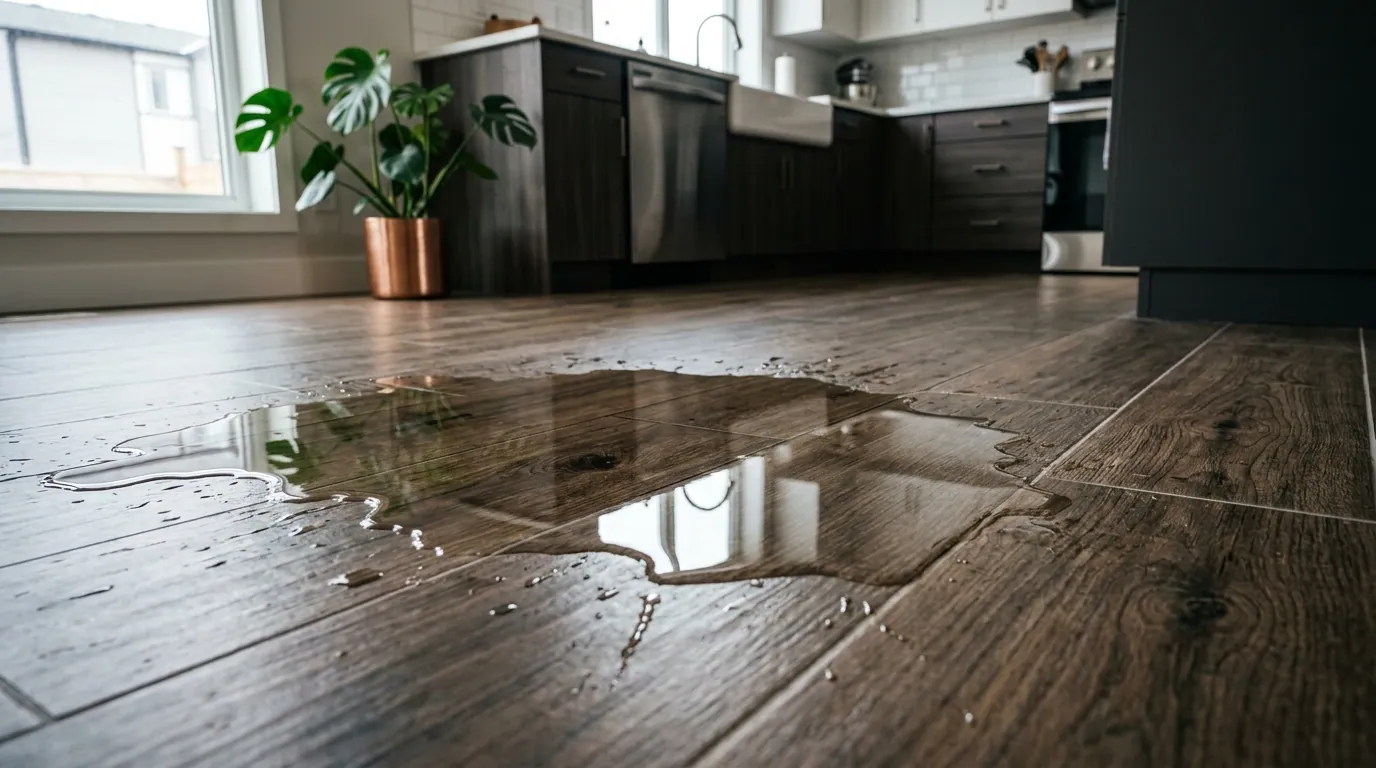
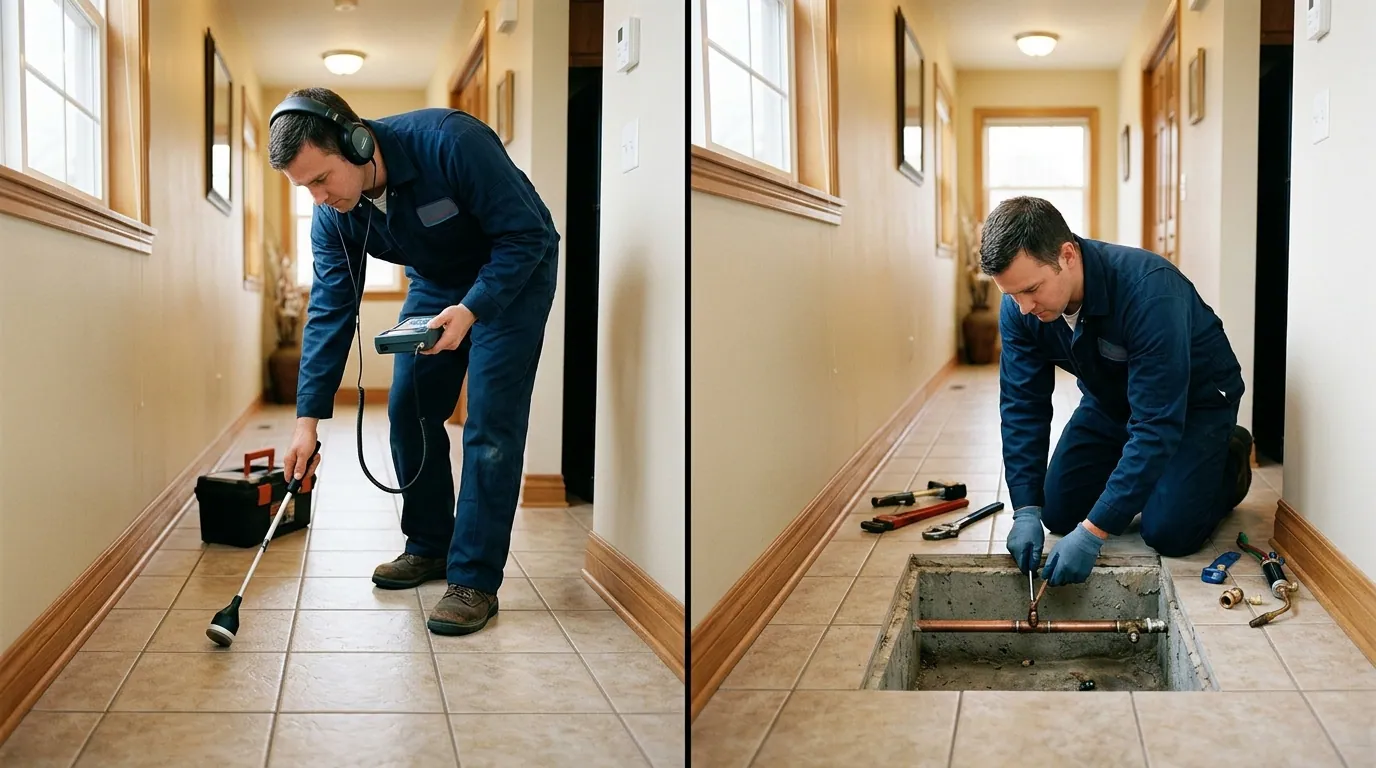
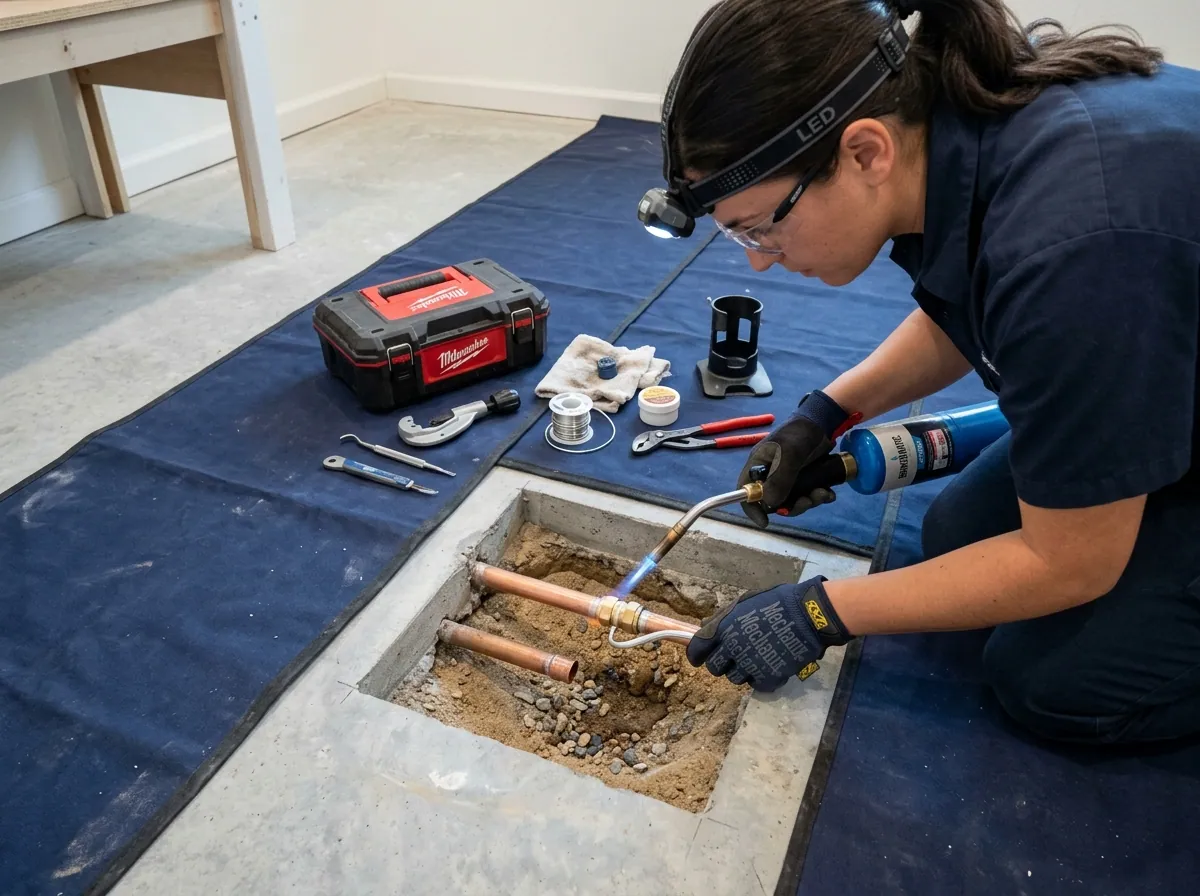
Slab leak pipe rerouting is considered when direct access would seriously affect finished flooring, when the same route has failed before, or when an accessible replacement path offers a clearer repair scope. The confirmed damaged section is removed from active service.
A route through wall cavities, ceilings, or an attic must account for framing, electrical and mechanical systems, heat exposure, pipe supports, insulation, and future access. Hot- and cold-water lines may need different material and routing details.
Rerouting vs Spot Repair
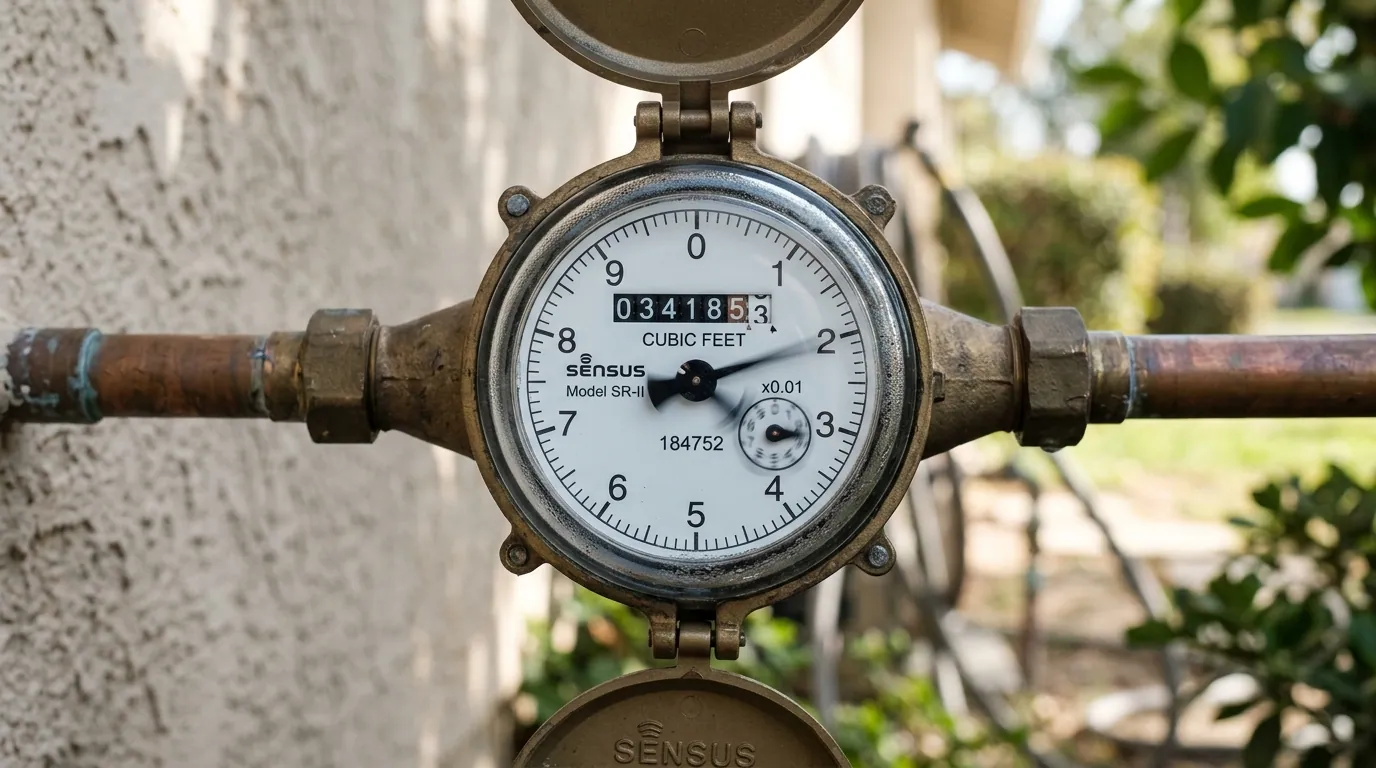
- • Pipe condition: A single isolated failure may suit spot repair; repeated failures or broader deterioration may support rerouting.
- • Slab leak repair without opening concrete floor: Rerouting shifts restoration from the floor to smaller drywall patches.
- • Repair history: A previous failure on the same route is useful evidence, but it does not make rerouting automatic.
Planning a Replacement Water-Line Route
The proposal should show where the new line begins and ends, which fixtures it serves, the planned pipe material and size, and every expected access opening. Compare that limited reroute with partial repiping if more than one branch is affected.
Also confirm whether drywall patching, texture, paint, insulation replacement, permits, and fixture reconnection are included. These details often determine the complete project cost more than the pipe alone.
The Rerouting Process Step by Step
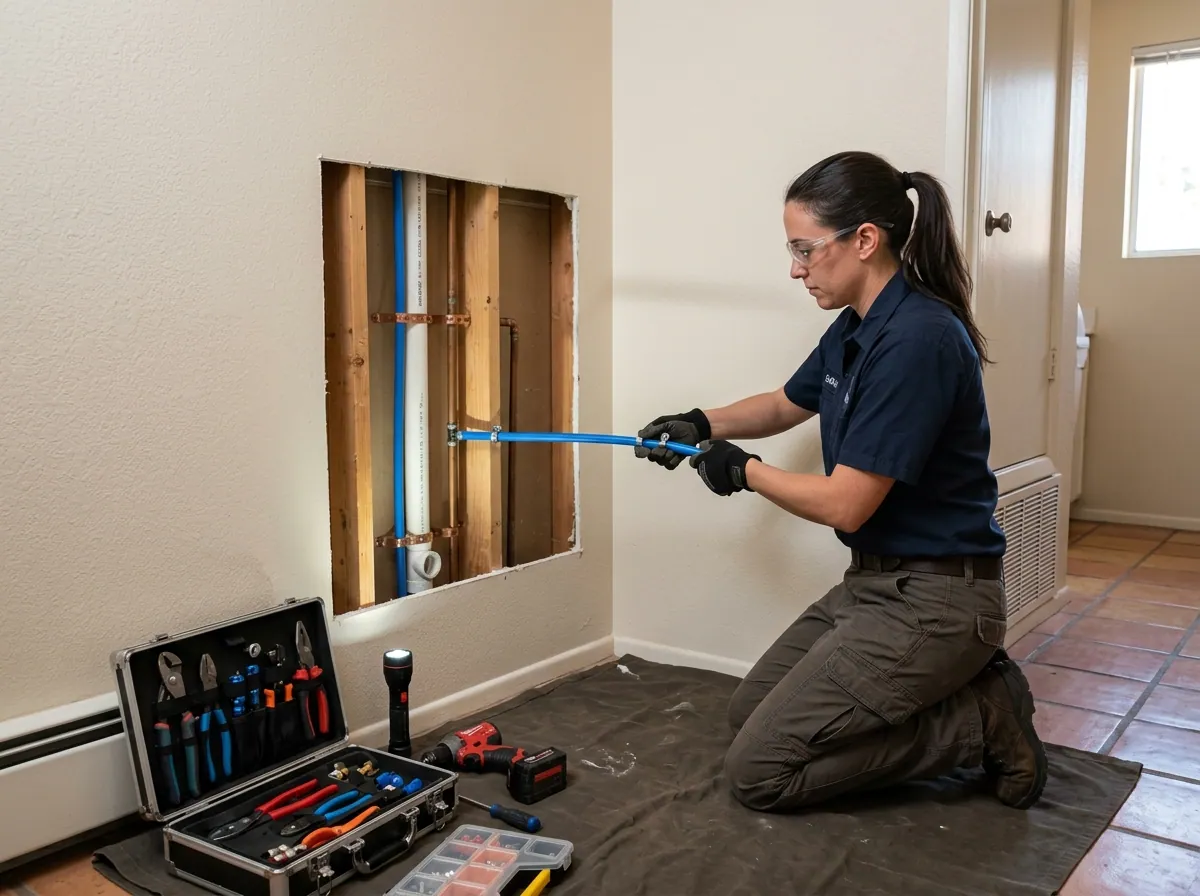
A water-line reroute begins by confirming the leaking branch and mapping the fixtures it serves. The provider then plans a route that limits access work while respecting framing, utilities, material requirements, and serviceability.
The approved pipe is installed with the required supports and protection. Insulation may be needed in unconditioned areas. Connections are tested under a documented procedure before the old under-slab section is disconnected and capped.
Project time depends on route length, number of fixture connections, attic or wall access, inspections, and finish restoration. The final documentation should identify the new route, test results, abandoned section, and any remaining work.
Comparing PEX and Copper for a Reroute
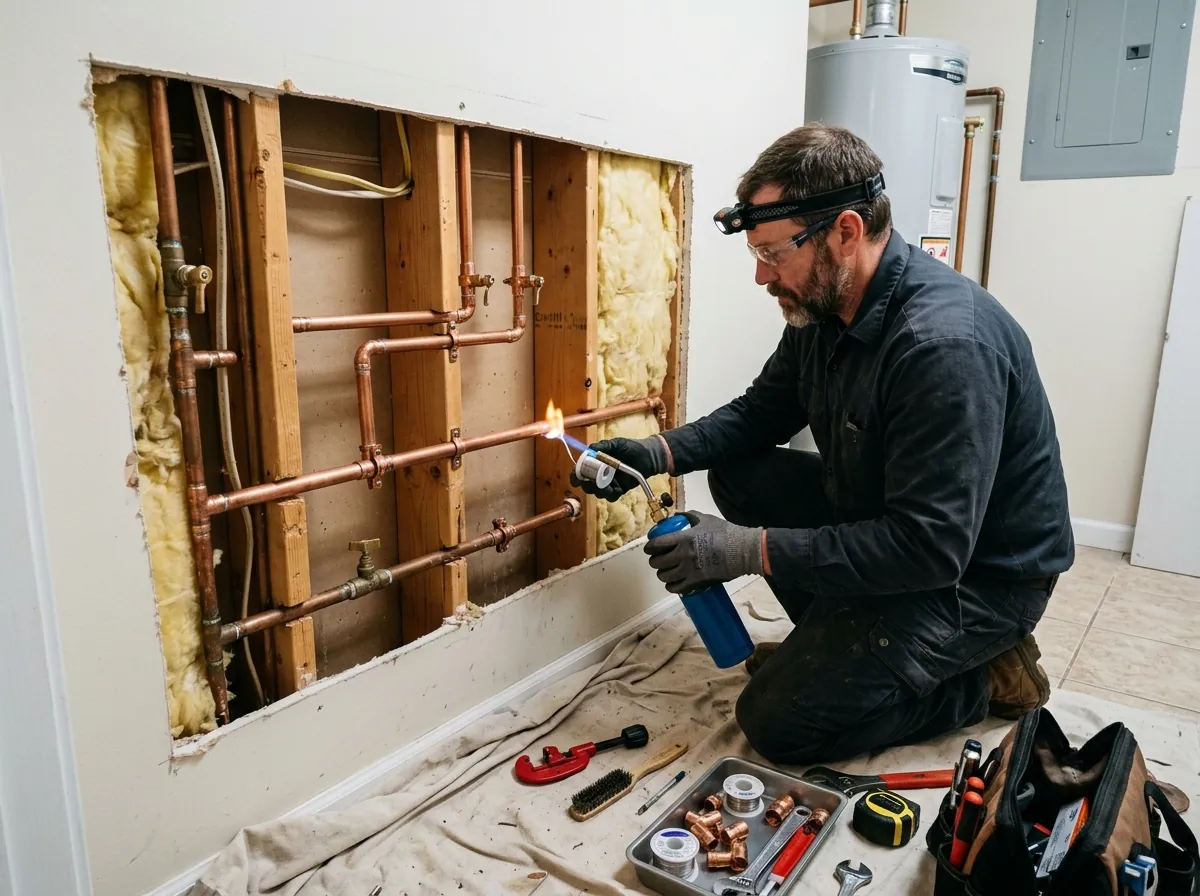
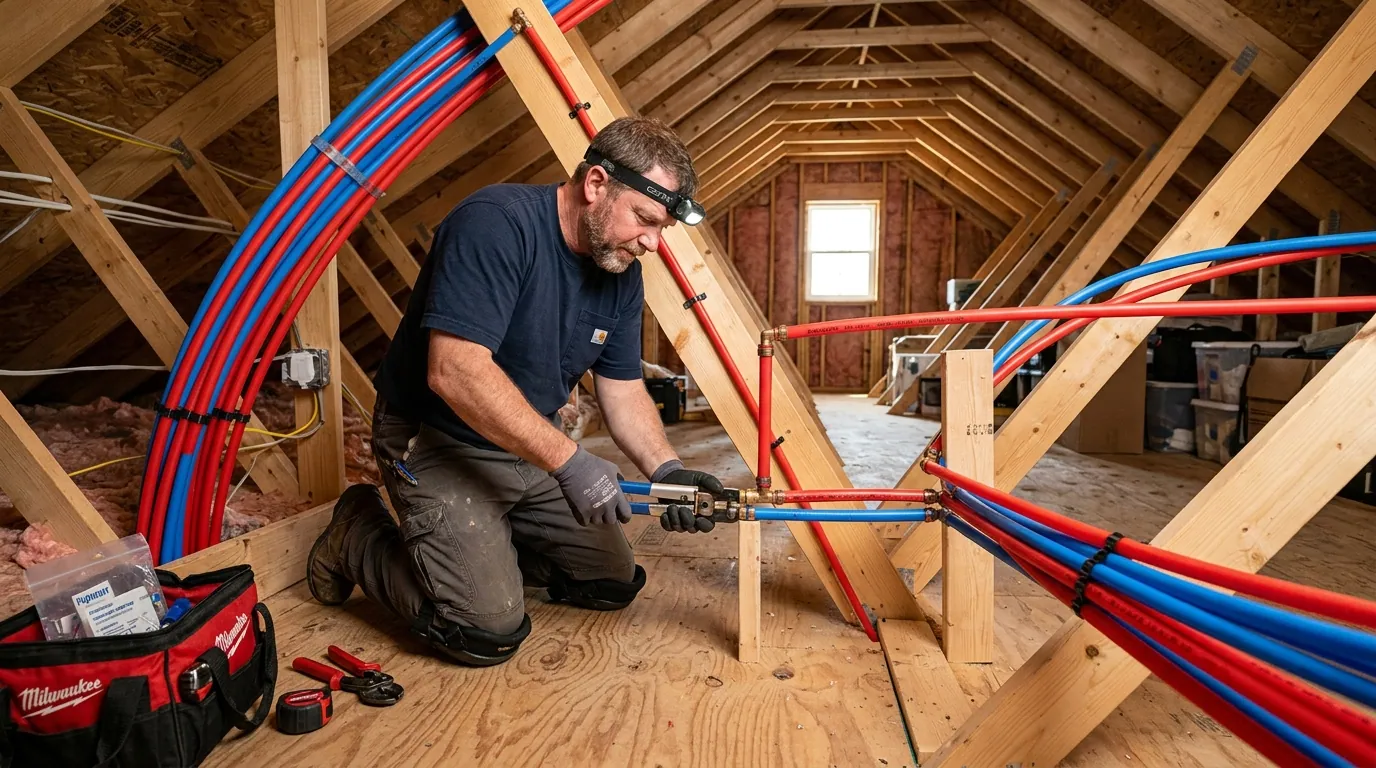
PEX is flexible, so some routes can be installed with fewer directional fittings and smaller access openings than rigid copper. Copper is rigid, familiar to many installers, and may fit particular exposed or connection details. Neither material is right for every path.
Selection should follow local requirements, manufacturer instructions, temperature and pressure ratings, water conditions, and the provider's installation plan. Ask for the product name, joining method, warranty terms, and explanation of how the pipe will be protected from heat, abrasion, fasteners, and ultraviolet exposure.
Protecting Pipes in Unconditioned Attics
An unconditioned Tucson attic can become very hot, and standing water in an overhead line may warm before a fixture is opened. Heat exposure also matters when selecting pipe, fittings, supports, and clearances.
The route and insulation should match the design, manufacturer instructions, and local requirements. Insulation can reduce heat transfer and energy loss, but it does not prevent a cold-water leak. Proper supports, protection at framing penetrations, and accessible connections remain essential.
Minimizing Drywall Damage
A reroute trades slab and flooring access for openings along the replacement path. The number and size of openings depend on framing, fixture connections, fire blocking, insulation, and the pipe's required bend and support details.
Ask the provider to mark expected openings before work begins and explain whether exploratory access could reveal additional needs. For a larger partial repipe, confirm which walls and fixtures are included. The estimate should state who patches, textures, and paints the drywall.
Water-Line Rerouting FAQ
Compare Rerouting Options in Tucson
Request a route plan that shows fixture connections, expected access, pipe material, testing, restoration, and the old section being removed from service.
Check Service Availability
Select the property ZIP and main symptom to see the appropriate next step.