Understanding Slab Leak Repair Options
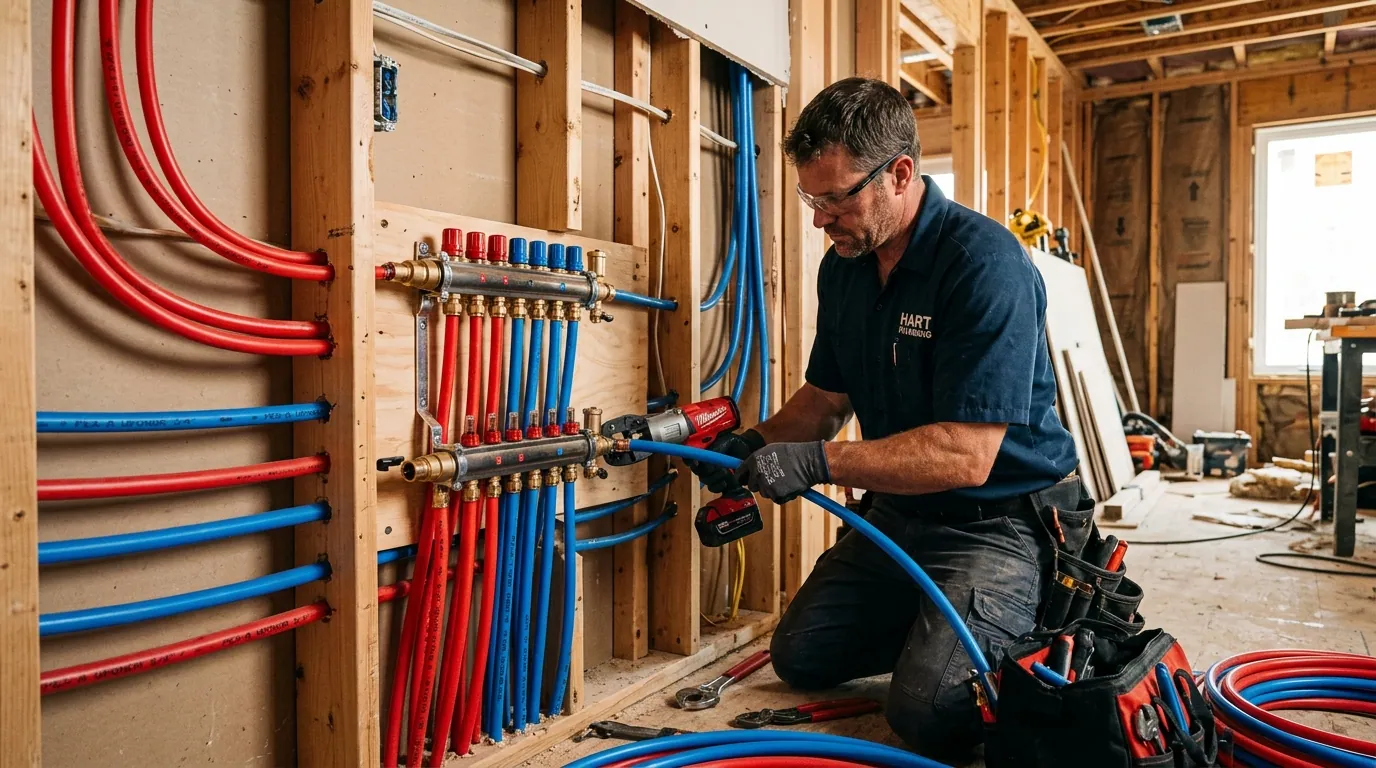
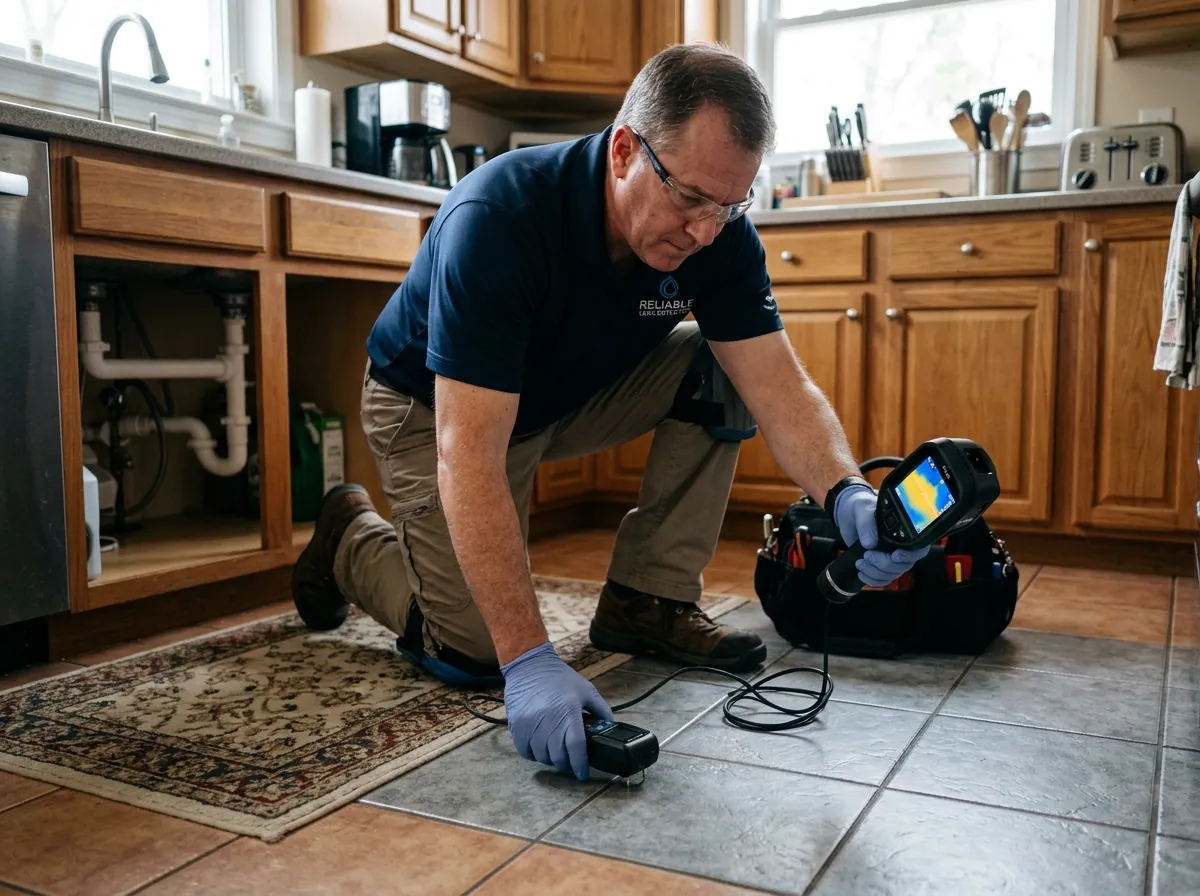
A qualified provider should confirm the affected line and review the detection findings before selecting a repair. A direct-access spot repair exposes and replaces the failed section. A reroute removes the damaged route from service and supplies the fixture through an accessible path.
The comparison should include flooring, cabinetry, slab construction, route length, available wall or attic access, pipe material, repair history, and who restores each surface. Review the complete repair cost, not only the plumbing portion.
Slab Leak Spot Repair vs Rerouting
Direct-Access Slab Leak Repair
Direct repair may be practical when the suspected area is well supported, the surface can be accessed, and the exposed pipe is suitable for a localized repair. The scope should identify flooring removal, concrete cutting, excavation, pipe work, testing, backfill, slab patching, and finish restoration.
Water-Line Rerouting
Rerouting may avoid opening the floor over the failed section, but it usually requires wall, ceiling, cabinet, or attic access. The proposed route must account for heat, insulation, supports, electrical clearances, fixture connections, and future serviceability.
Choosing a Slab Leak Repair Provider
Ask whether detection and repair are performed by the same provider or separate specialists. Confirm licensing, insurance, the proposed repair method, testing, cleanup, permit responsibility when applicable, finish restoration, and written warranty terms. For active water damage, first determine whether emergency isolation is needed.
Understanding Slab Leak Repair Cost Tucson
Direct repair commonly includes floor access, concrete work, excavation, plumbing, backfill, and slab patching. Rerouting shifts more of the cost to new pipe, wall or ceiling access, insulation, fixture connections, and drywall repair. Ask for these items to be separated in writing so competing estimates cover the same work.
The Under-Slab Repair Process
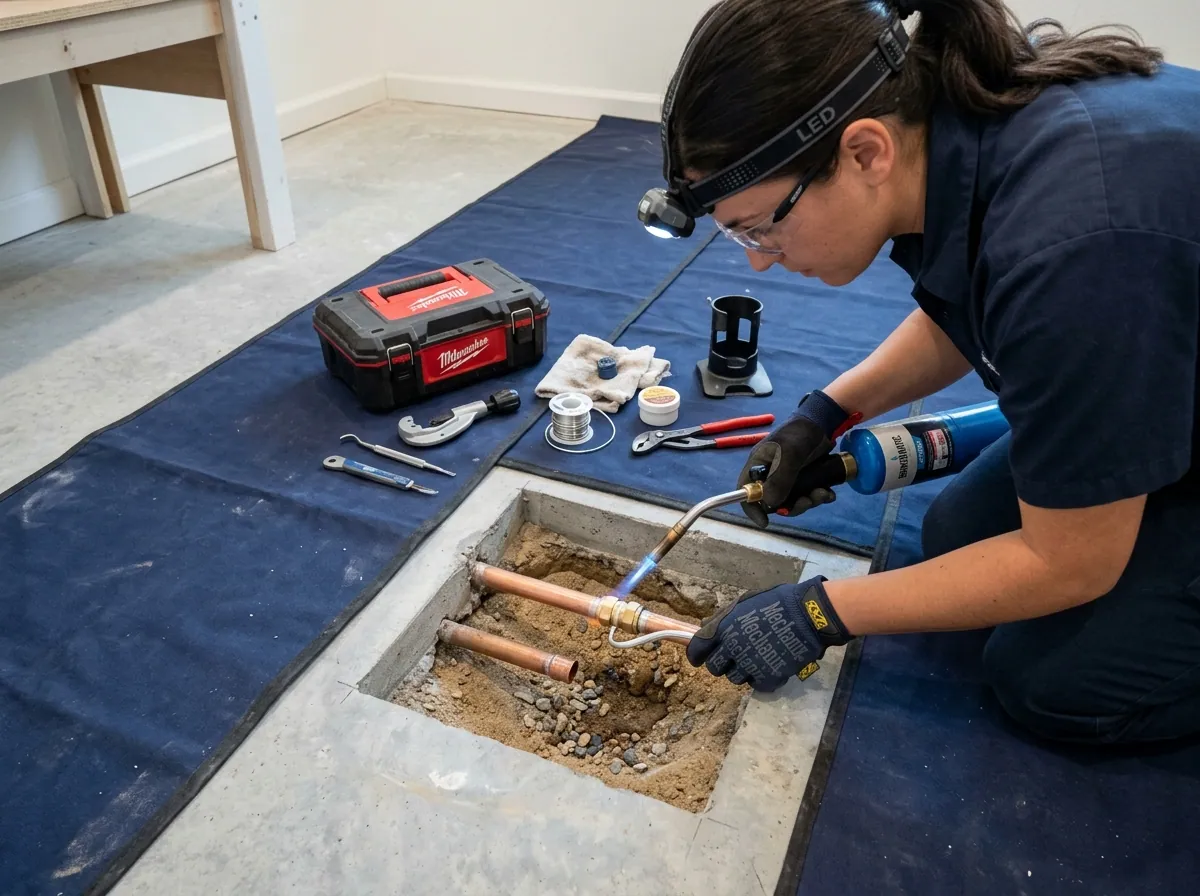
A direct slab leak repair should start with documented detection findings. The proposed opening is based on the confidence of those findings, the pipe route, slab construction, floor finish, reinforcement, and safe working room.
After the failed section is exposed, the provider can assess pipe material and condition, complete the approved repair, and perform a defined pressure test before burial. The estimate should state who handles backfill, concrete, flooring, and cleanup.
Cuts may sometimes align with grout lines or removable flooring, but access cannot be promised before the route and working area are evaluated. Photographing the exposed pipe and completed repair creates a useful property record.
Evaluating Spot Repair vs. Rerouting
A localized repair may limit new pipe and wall access, but it leaves the remaining buried branch in service. Rerouting avoids the failed buried segment, yet it creates a new route that may require drywall, insulation, supports, and several fixture connections.
Tucson Water describes local water as hard to very hard, but hardness alone does not prove why a pipe failed or predict the next failure. Compare documented repair history, exposed pipe condition, pressure, installation details, access costs, and the proposed reroute before deciding.
Minimizing Dust and Disruption
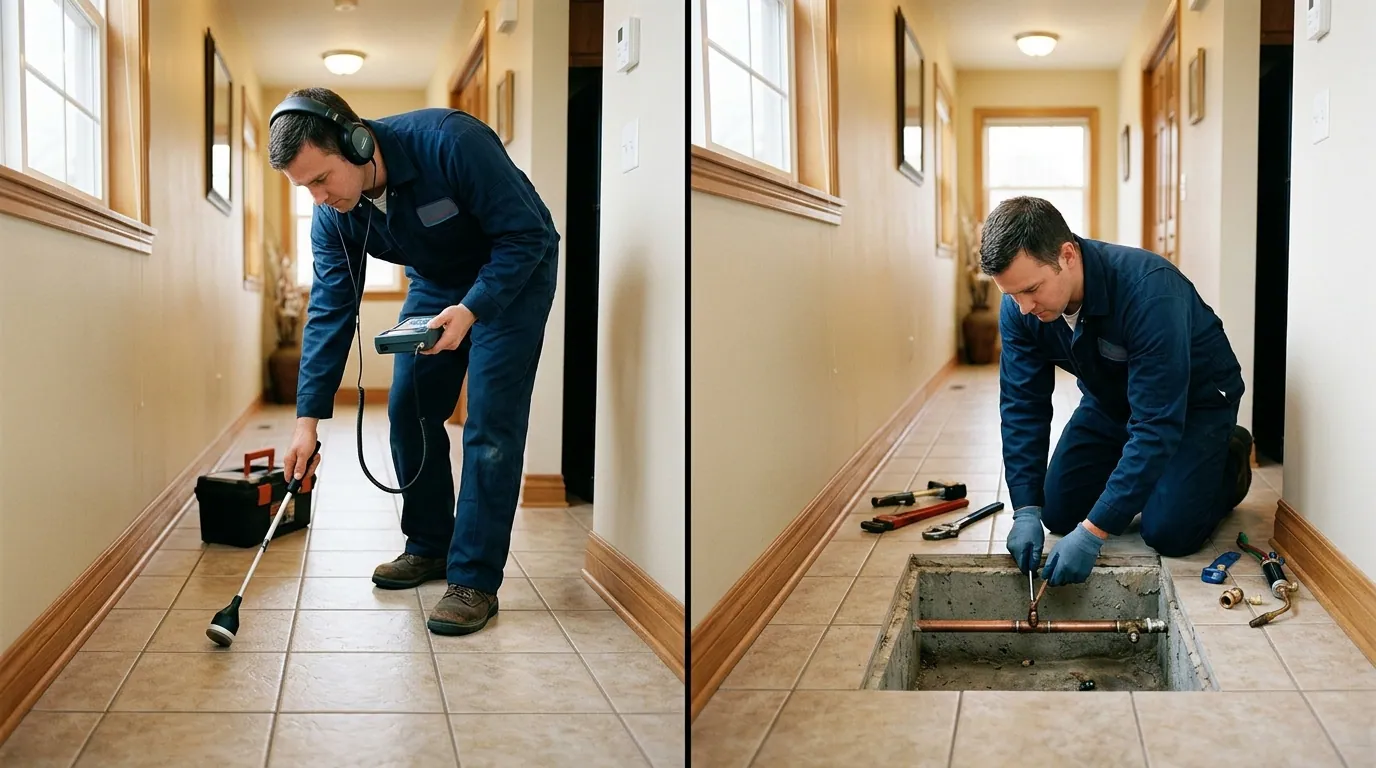
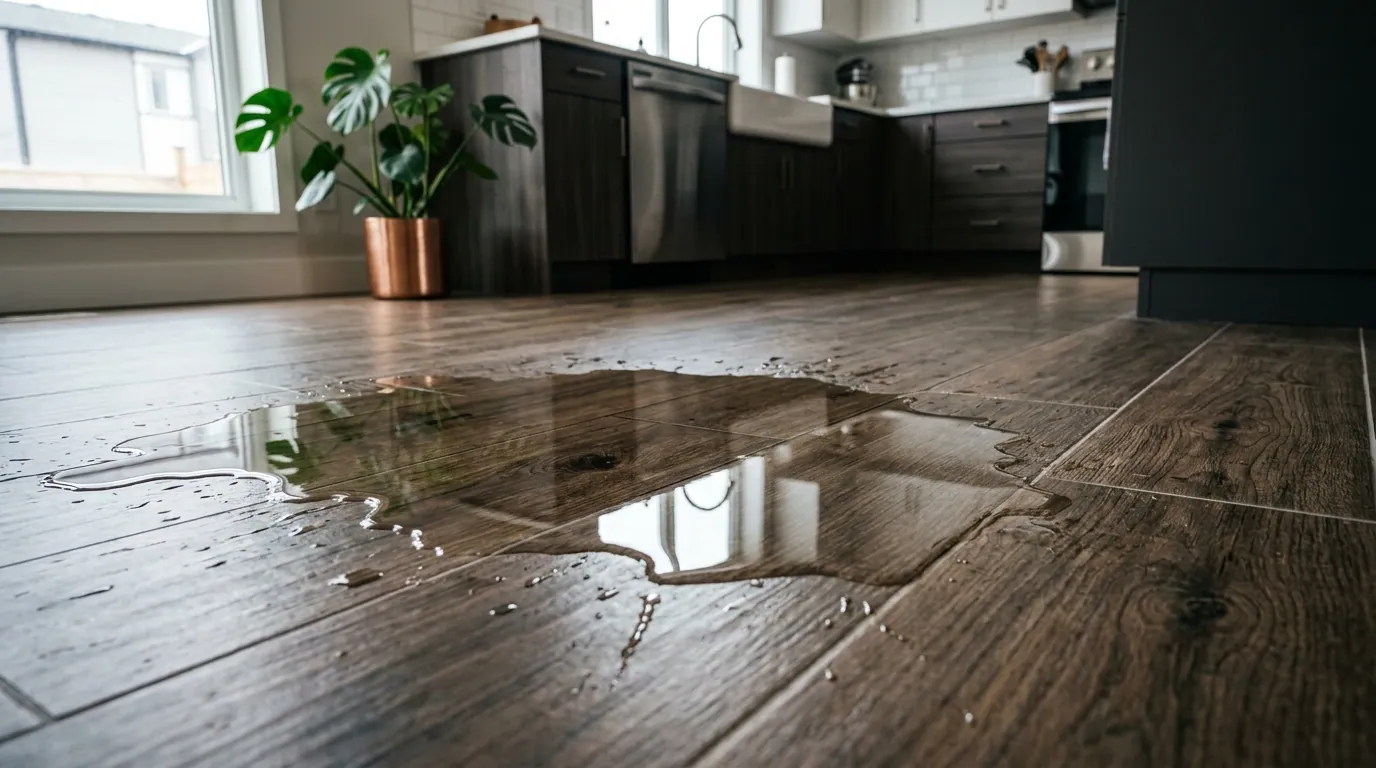
Concrete cutting can release respirable silica dust. Before work begins, ask how the provider will isolate the area, protect nearby finishes, control HVAC pathways, and manage occupants, pets, debris, and cleanup.
Wet methods or suitable vacuum dust collection may be used depending on the equipment and work area. The written scope should describe containment and cleanup instead of relying on a general promise that the work will be dust-free.
Post-Repair Testing and Documentation
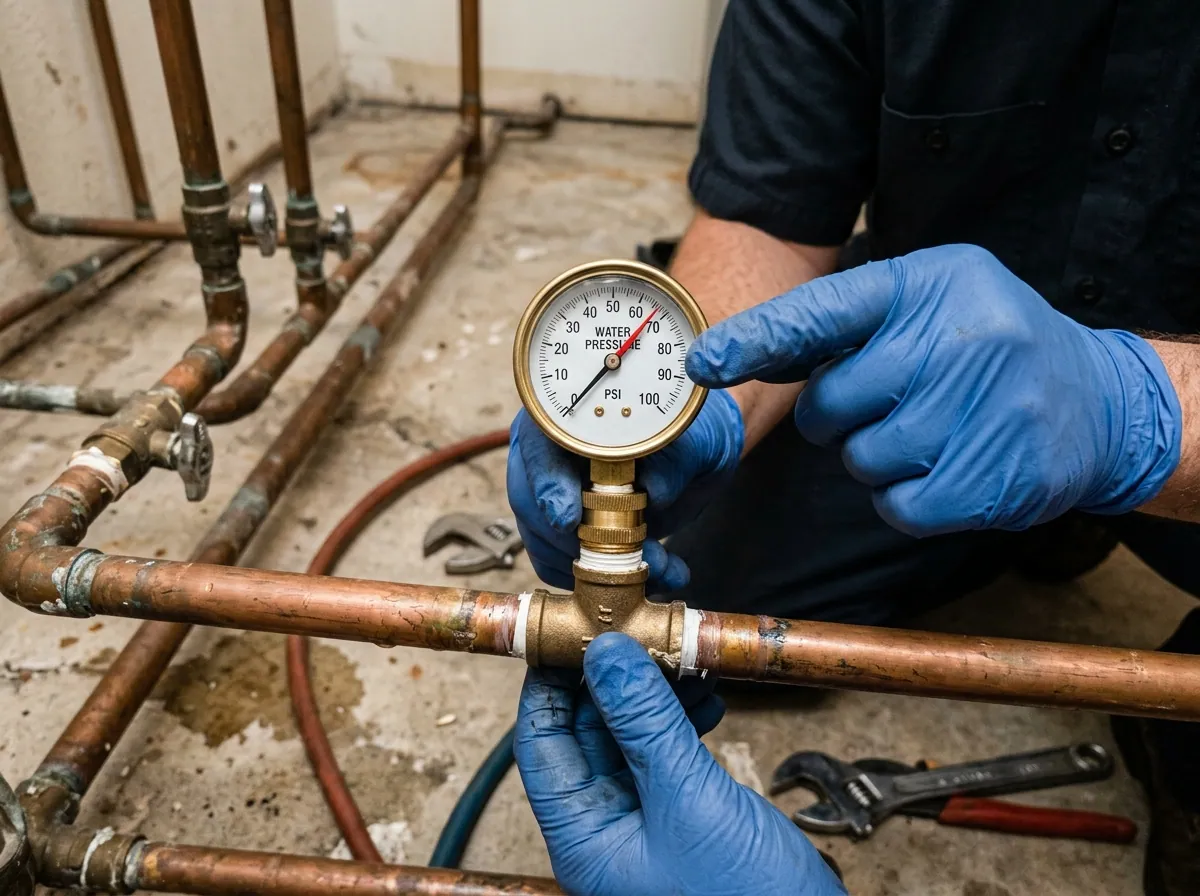
The repaired section should be tested under a documented procedure before it is buried or covered. A successful test supports the completed repair, but it does not guarantee that every other concealed branch is free of defects.
Before authorizing an under-slab pipe repair, request written warranty terms. Confirm the covered connection, labor period, exclusions, transferability, required maintenance, and whether concrete or finish restoration is included.
Slab Leak Repair FAQ
Get a Repair Estimate Today
Provide the detection findings, affected line, flooring type, repair history, and property ZIP code. A provider can explain available repair methods and what each estimate includes.
Check Service Availability
Select the property ZIP and main symptom to see the appropriate next step.